
• all
  • products
  • articles
articles

The fabulous fate of our orange peel

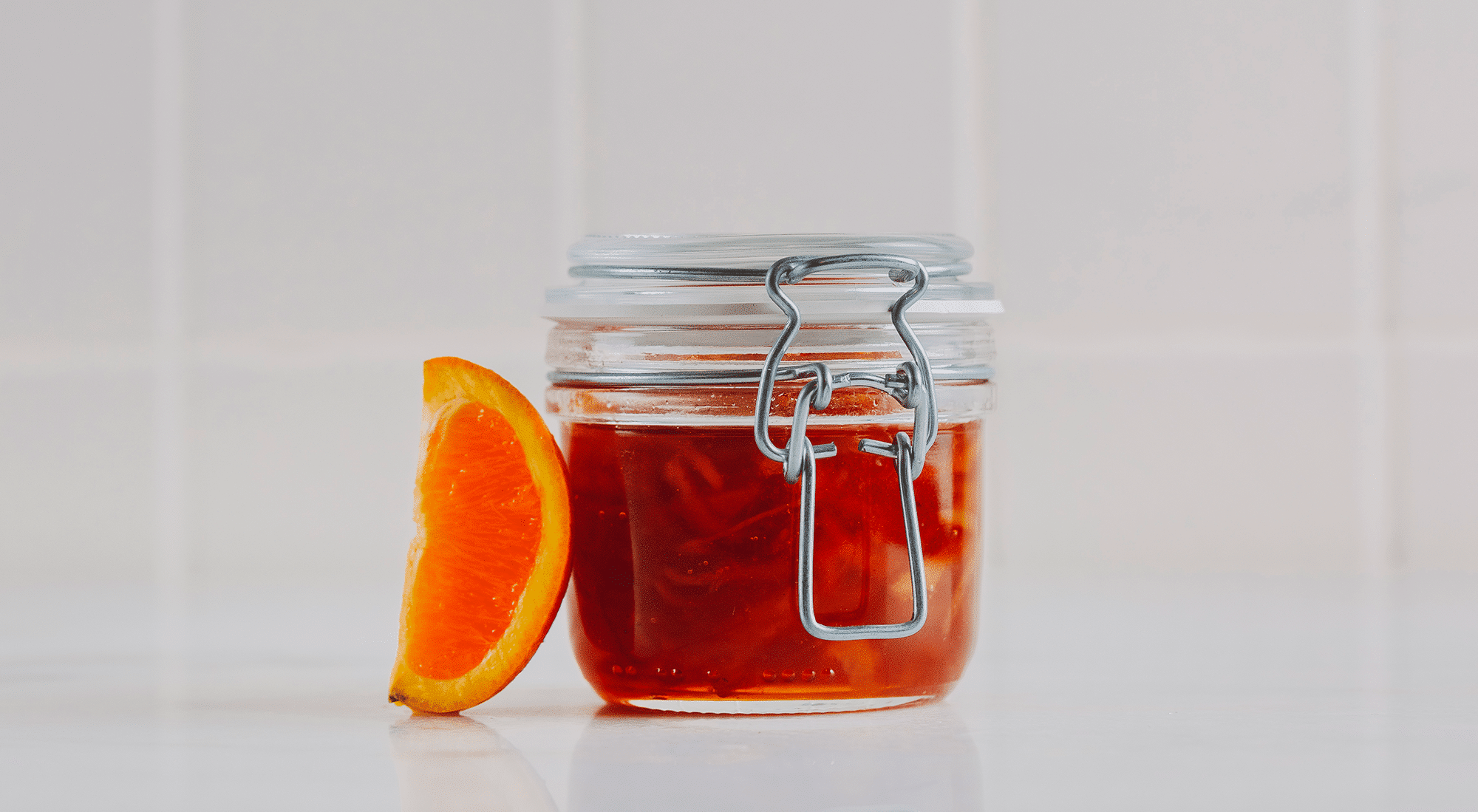
In 2010, the Padaria Portuguesa’s fresh natural orange juice first became a part of Lisbon folks’ daily routine. Twelve years later, the circular economy has given us the great idea of using the waste from this product to make… marmalade! We can explain…

Don’t worry! You’ll still be able to enjoy our fresh orange juice every day, at all of our outlets. This ‘transformation’ is, in truth, more of a ‘repurposing’. On average, we squeeze around 5 tonnes of oranges every day to make our fresh juices. Obviously, once the juice has been squeezed, we are left with the orange peel – and we can do one of two things with this: throw it in the bin, or reuse it. We’ve made the decision to opt for the second of these choices. 

So – we take the peel, remove the pith from the inside, add orange and lemon juice, water, cinnamon, and sugar, and make a delicious, home-made marmalade which we then put it in a jar that you can take home with you. With 1500 oranges, we can produce around 750 kg of this sustainable marmalade, which is perfect for spreading on a slice of one of our artisanal or gluten-free loaves, or on our artisanal toast at breakfast (or just for a snack!)

This is just one of the initiatives we have undertaken in our attempt to reduce food waste and invest in the circular economy.
Gouveia, the land of our organic eggs

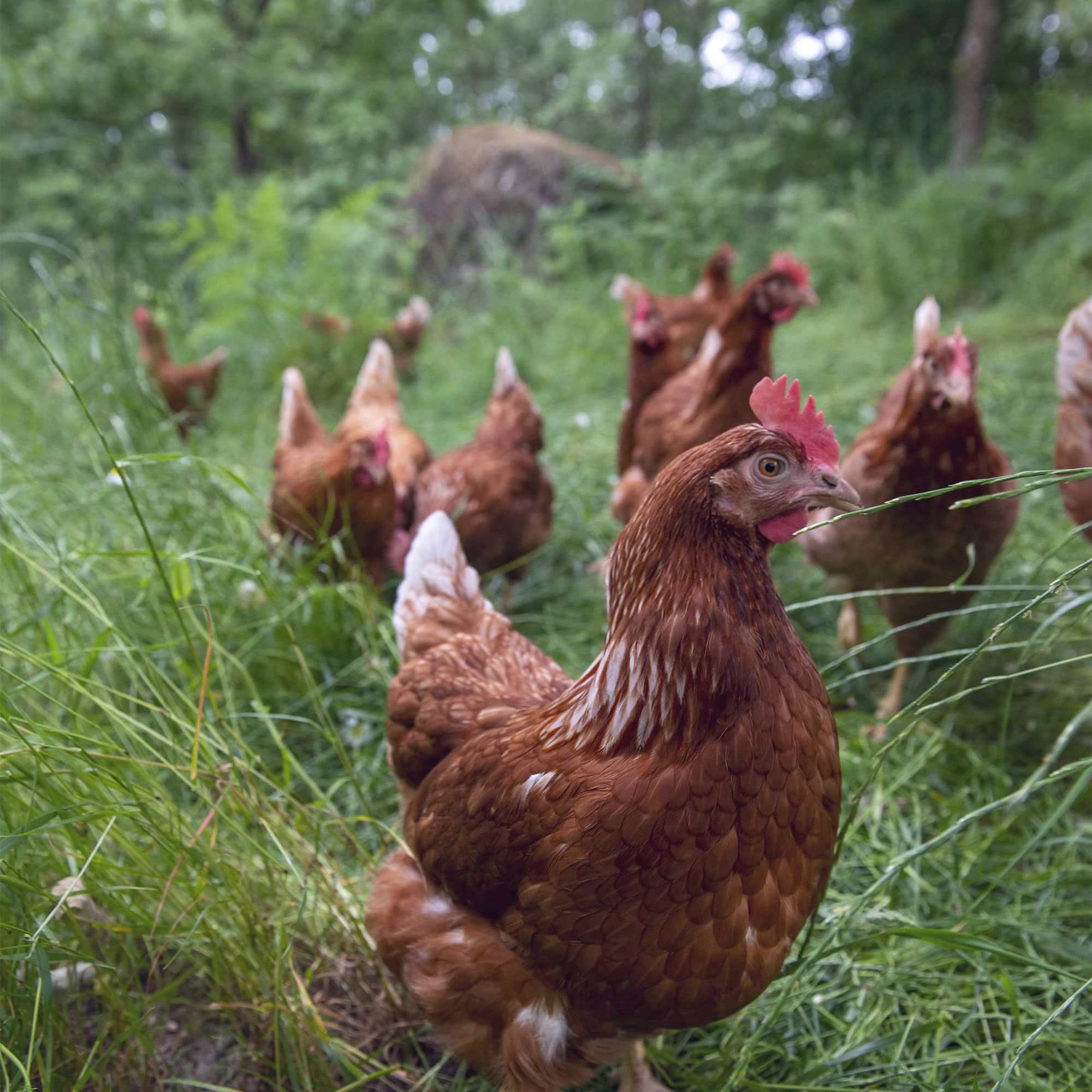
We are in Gouveia, in Serra da Estrela Natural Park. Here, the hens roam freely at Quinta da Caramuja farm, they listen to music and feed themselves with whatever nature gives them. Therefore, the eggs they lay are organic. And we thank them for that.

Besides being an outstanding rural tourism destination, Quinta da Caramuja dedicates its vast estate to agriculture and chicken farming. It always uses organic production methods, supervised by certifying entities.

The egg-laying hens of Caramuja only retire to their coops to rest at night. During the day, they are completely free. They can do whatever they want. And, according to owner Paulo Mota, what they really want is to listen to music. But they have refined taste. They prefer classical music. They also pay attention to the news on the radio. All this for the sake of a calmer life.

The less stress they are exposed to, the better-quality eggs they lay. But there are other factors at play. The diet of these hens is totally organic, and they are reared extensively, using rudimentary techniques. On the other hand, the coops where they spend the night house a maximum of 3,000 hens, respecting the animal welfare parameters that are characteristic of organic production. And there’s a golden rule regarding the resting period: whoever wants to enter has to knock first. This way, unnecessary scares – and stress – are avoided.

You’ll be glad to know that, for all these reasons, the organic eggs produced by Quinta da Caramuja are the ones selected for A Padaria Portuguesa. We use these wonderful eggs to make scrambled eggs for breakfast, and then hard-boiled to prepare sandwiches, salads and snacks for lunchtime.

The magic of nature: Organic coffee grounds turned into mushrooms

Coffee is part of the Portuguese way of life. But the story of a simple cup of coffee goes far beyond the moment it is served. NÃM Mushroom Farm showed the world that it is possible to make magic with organic coffee grounds. The trick has a name: circular economy.

Eight-thirty in the morning. Ticket number 57. “It’s an organic coffee, please.” Out comes the coffee. The filter holder is shaken over the bin. The grounds fall out. The customer drinks the organic coffee. Now what? Let’s take a step back. It’s not a waste bin. It’s a reuse bin. We save the grounds. We wait for closing time. The driver arrives and takes away the bag of coffee grounds. The grounds arrive at NÃM’s facilities, which will use them to produce fresh oyster mushrooms. But how? We’d better call Natan.

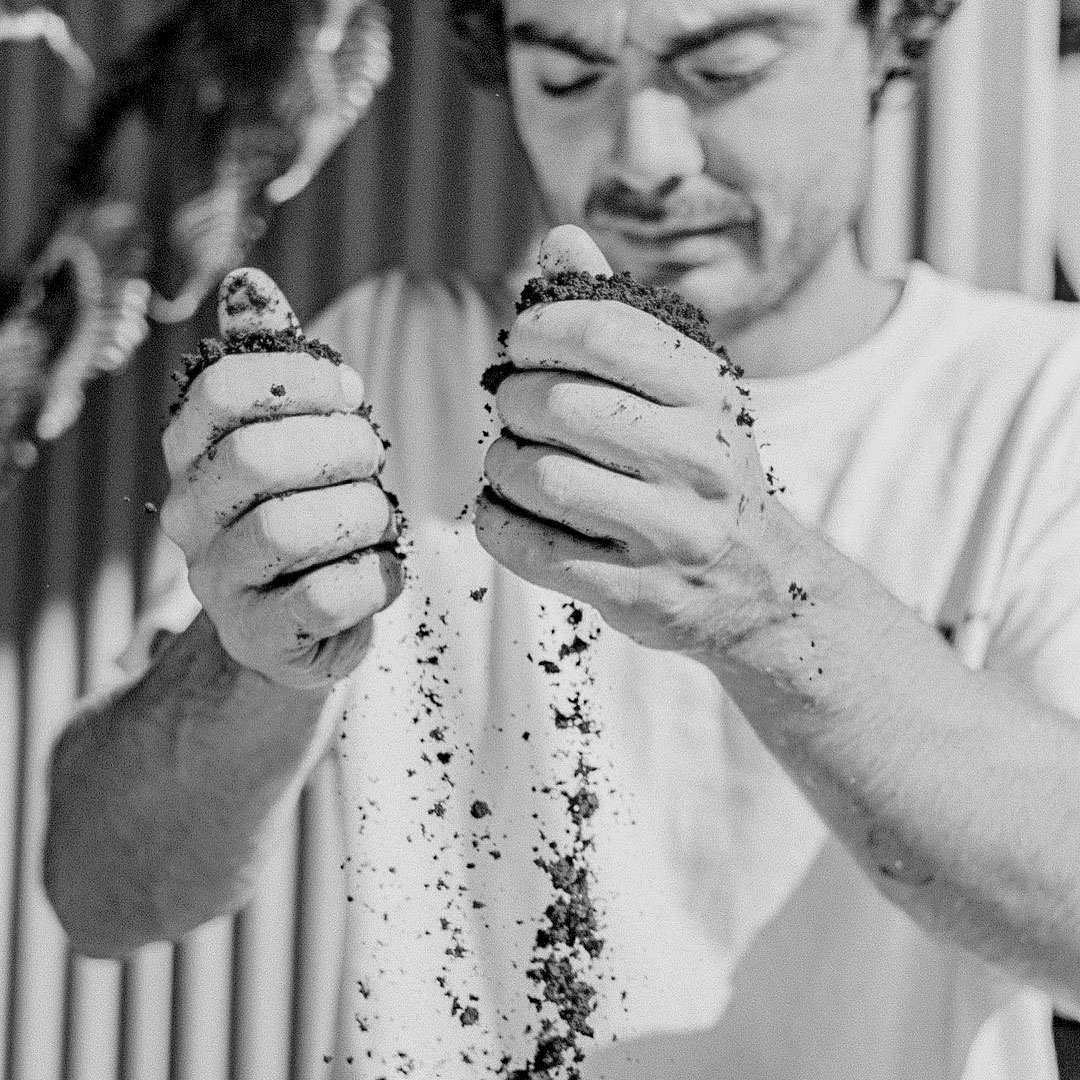
“The idea is to take advantage of the fact that mushrooms turn all the dead organic matter they find in nature into food. Mushrooms recycle everything,” explains the founder of NÃM, the start-up responsible for Lisbon’s first urban farm, located in Marvila. Natan Jacquemin came to Portugal from Belgium and brought in his suitcase something of great value: an idea of circular economy. “It’s a question of changing the paradigm, it’s managing to see waste as a resource, creating more value from it,” explains the young entrepreneur, whose mission is to reconcile ecology and economy.

The magic happens when organic coffee grounds are mixed with straw and mycelium, which acts as a kind of mushroom seed. Then, over the course of six weeks, NÃM recreates in its plant the perfect atmospheric conditions for the production of the fungus: “A little cold, a little wind, strong light and humidity”. In just three years, NÃM has managed to reach production rates of one and a half tons of mushrooms per month. And to think that all this might never have existed if those dregs had actually gone into the waste bin…

NÃM then “returns” our organic coffee grounds to us in the form of fresh oyster mushrooms, which are used every day in our kitchens, continuing the regenerative circle of this economy. We take the mushrooms and use them to prepare delicious sandwiches and salads.